


Navigating the Shift: Embracing Compact Electric Mobility as Petrol and Diesel Cars Phase Out by 2035
- 15 February 2024
- Posted by: Coffey Brooks
- Categories: Current Topics, Financial News
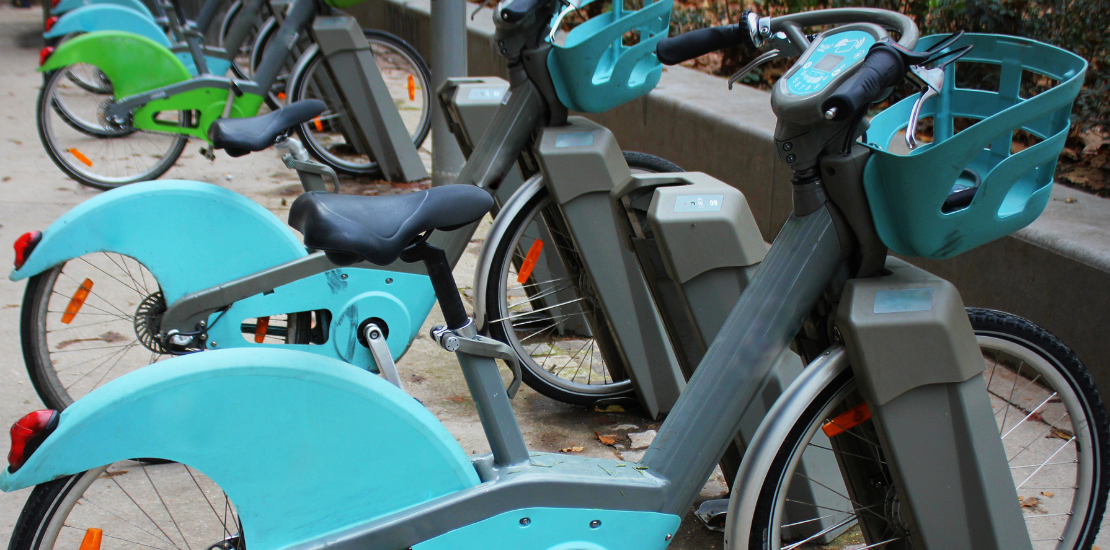
In a united effort to combat climate change and reduce carbon emissions, the United Kingdom, European Union, and California, along with several other U.S. states, have set ambitious targets to prohibit the sale of petrol and diesel cars by 2035. While this marks a significant step towards a more environmentally conscious future, an interesting trend is emerging in urban areas, suggesting that electric cars may not be the exclusive flag bearers of this transportation evolution. Instead, compact and nimble electric vehicles like e-bikes, e-mopeds, and e-scooters are gaining popularity among city dwellers.
The Road to Emission Reduction
Global governments are increasingly acknowledging the pressing need to transition towards more sustainable transportation options. The UK Government, in particular, has committed to discontinuing the sale of new petrol and diesel cars by 2030, with hybrids included by 2035. Similarly, the European Union has proposed a phase-out by 2035, and California, a front-runner in environmental policies, is also moving in the same direction.
The Surge of Electric Micro-Mobility
While electric cars dominate headlines, a subtle revolution is taking place in the form of micro-mobility solutions. In congested urban environments, residents are finding electric bikes, mopeds, and scooters to be more practical and efficient alternatives to traditional cars. These compact electric vehicles not only reduce traffic congestion but also address parking challenges and offer a more cost-effective mode of transportation.
Advantages of Compact Electric Vehicles
-
Environmental Impact – Electric micro-mobility solutions boast a considerably lower carbon footprint compared to traditional cars, contributing to the reduction of air pollution and noise levels, creating cleaner and healthier urban environments.
-
Urban Mobility – Compact electric vehicles are better suited to navigate through crowded city streets and narrow lanes, offering increased agility and flexibility. This enables users to reach their destinations more swiftly, particularly during peak hours.
-
Cost Efficiency – E-bikes, e-mopeds, and e-scooters are not only cheaper to purchase than electric cars but also cost less to operate and maintain. Charging an electric bike, for instance, is a fraction of the cost of refuelling a car, making it an appealing option for budget-conscious city dwellers.
-
Infrastructure Adaptability – Unlike electric cars which demand extensive charging infrastructure, compact electric vehicles can be charged using standard electrical outlets. This makes them more adaptable to existing urban infrastructure, reducing the need for large-scale infrastructure investments.
Challenges and Considerations
While the shift towards electric micro-mobility is promising, challenges such as safety concerns, regulatory frameworks, and infrastructure development still need addressing. Additionally, there will be regions where the practicality of compact electric vehicles may be limited due to longer commuting distances or specific transportation needs.
Affordability Concerns
One significant hurdle for the widespread adoption of electric cars is their upfront cost, which is currently 30 or 40% higher than traditional petrol/diesel vehicles. However, it’s worth noting that electric cars might not be the most practical choice for individuals living in urban areas too. In Europe, the mileage covered by cars has been decreasing since the turn of the millennium, and in the UK specifically, Field Dynamics, a consultancy, found that 57% of cars are driven less than 100 miles per week. Similarly, in the US, approximately half of the journeys in the busiest cities are less than three miles. This highlights the cost-effectiveness and practicality of smaller electric vehicles such as e-bikes, e-mopeds, and e-scooters, making them appealing alternatives for short-distance commuting in urban settings.
Points to Take Away
The movement towards banning the sale of petrol and diesel cars by 2035 marks a significant stride in the global battle against climate change. However, as urban dwellers increasingly embrace compact and electric micro-mobility solutions, it becomes evident that the future of transportation may be more diverse than initially anticipated and governments and urban planners must consider these emerging trends to create policies that support a holistic and sustainable transformation in the way we move within our cities.
One thing for certain though, whether it’s the hum of electric cars or the whirr of e-bikes, the road to a greener future is being laid with innovation and adaptability.
Coffey Brooks Financial Services Ltd are a team of Independent Financial and Mortgage Advisers based in Clacton-On-Sea, Essex and are directly authorised and regulated by the Financial Conduct Authority.
*Disclaimer – This article has been written to the best of our knowledge and whilst all efforts have been made to ensure the information included within this article is correct, facts and statistics may become outdated. This article does not constitute as financial advice or an investment guide. Coffey Brooks Financial Services Ltd disclaims any liability.